BEARS !!

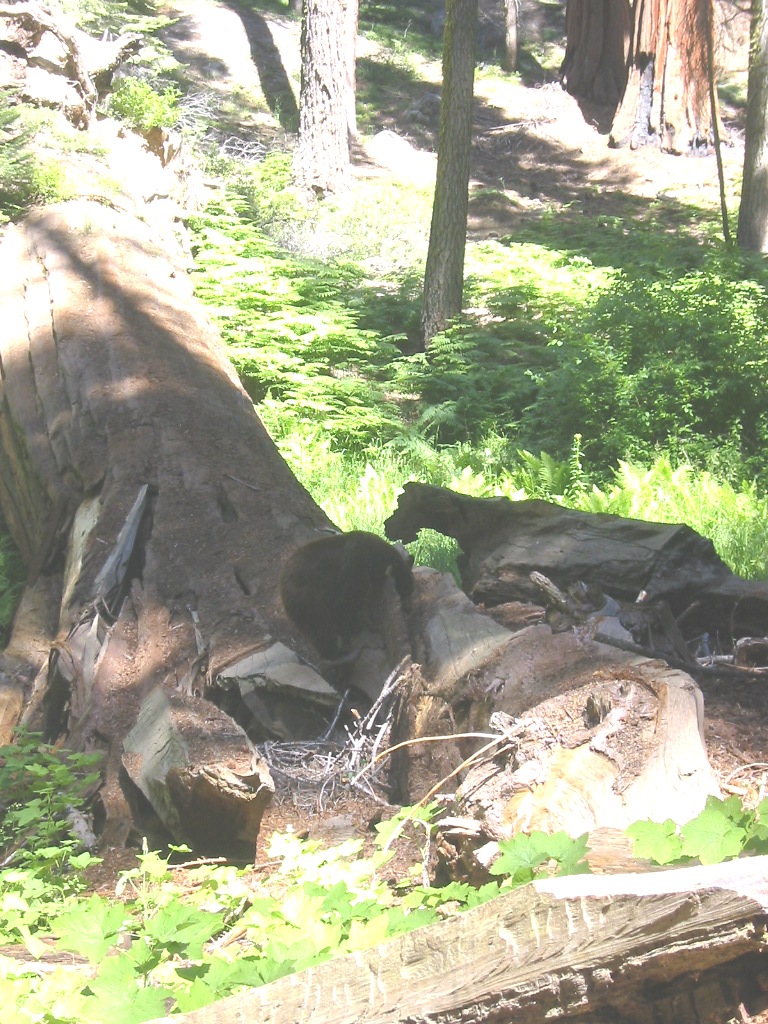
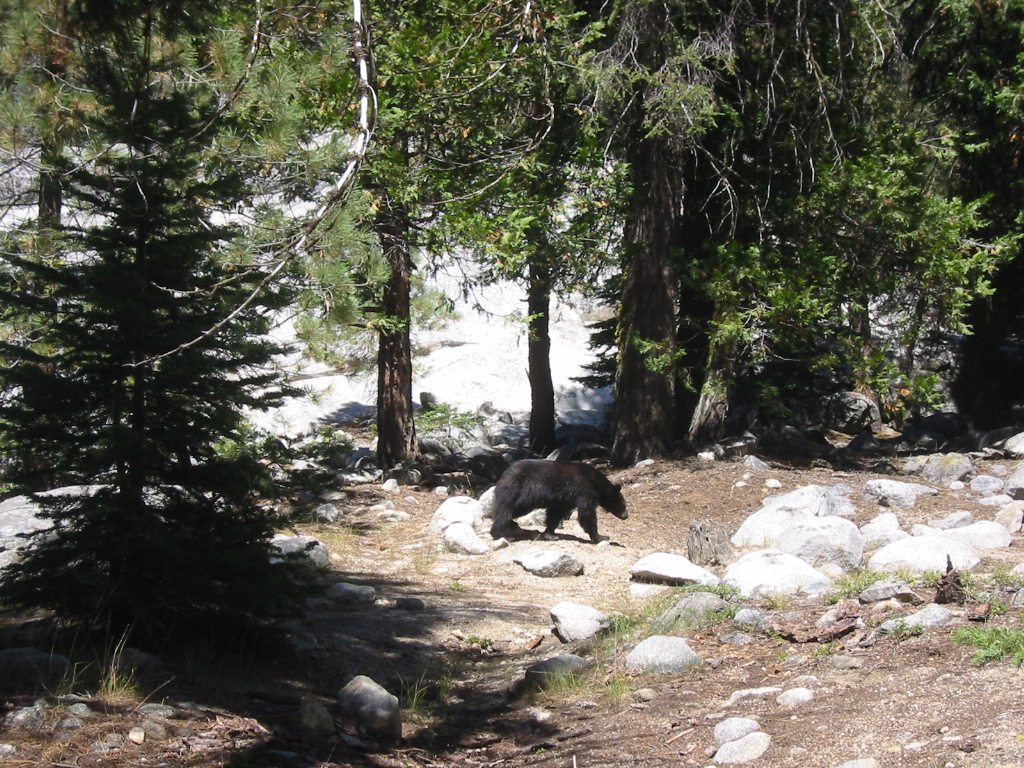
Being in the mountains has many wonderful benefits not the least of which is exposure to the wildlife.  Watching the chipmunks grow from tiny to husky little creatures, in preparation for hibernation, has been a treat! The most famous animal in the Sierra’s is the black bear. All visitors are instructed to store food out of cars and in appropriate boxes at the hiking trials and in the cabins. Here are my photos of the bears I have encountered while hiking.  My sense of them is that they are gentle creatures and want to be left alone to forage. However with the enticing smells of potato chips and cookies they can become excited and therefore more aggressive in the search for food.

I have had several other chances to see bears here in Sequoia Park and I consider it a very real blessing. As I have mentioned in previous posts, to have the opportunity to live in the mountain forests is an extraordinary experience. My wish for all of you is that you will also have this opportunity at some future date.

Bear Hugs All Round !!


Photo Captions:  Click back and forth on photos for a larger view.
#1. Black Bear in the Lodgepole Campground
#2. Same bear. It is unusual for it to be out in the open in mid-day.
#3. Now this bear is lying at the log feeding on bees in the log.
#4. Black Bear in the Big Trees area. Look at the bottom edge of the tree.
#5. Same bear with his back to the camera at the edge of the tree.
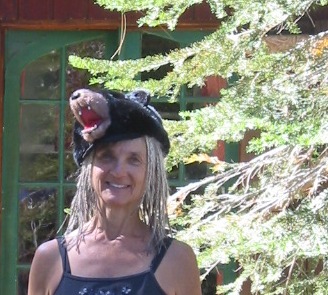
#6. The most scary bear of all !!
BIG BIG Trees

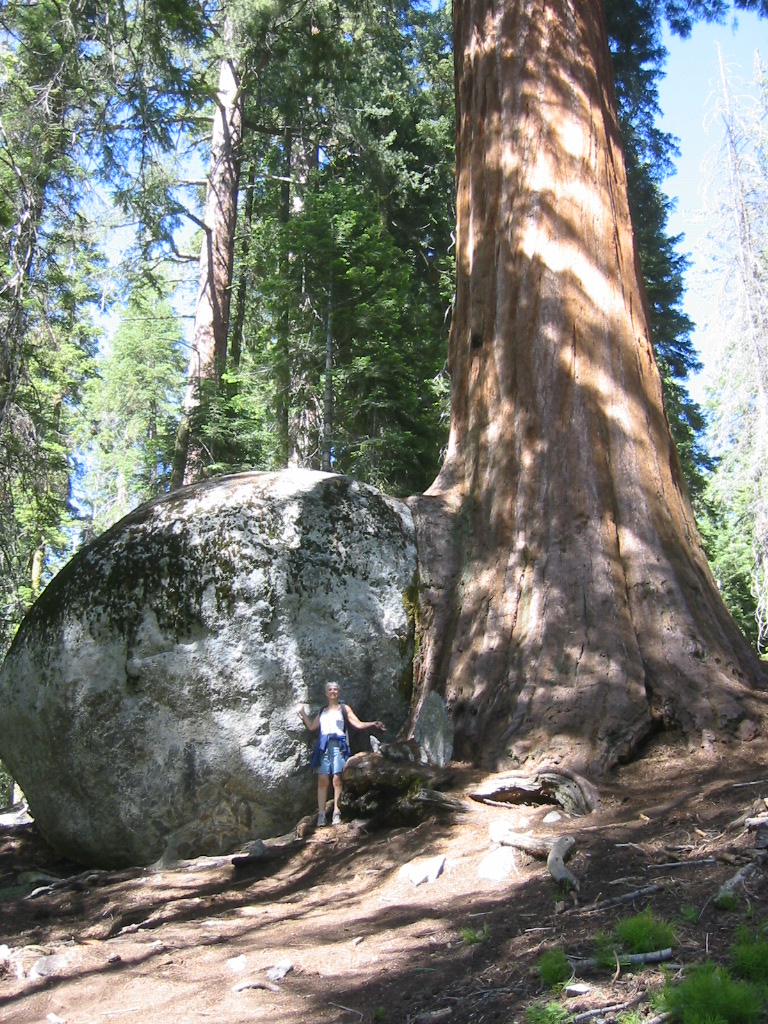
Sequoia trees are recorded as the largest trees on Earth. These magnificent natural wonders are found ONLY in the Sierra Mountains of California. Elsewhere, there are other gigantic trees known as Redwoods, but the Sequoia grows only in the Sierra Mountains due to specific climate and soil conditions.

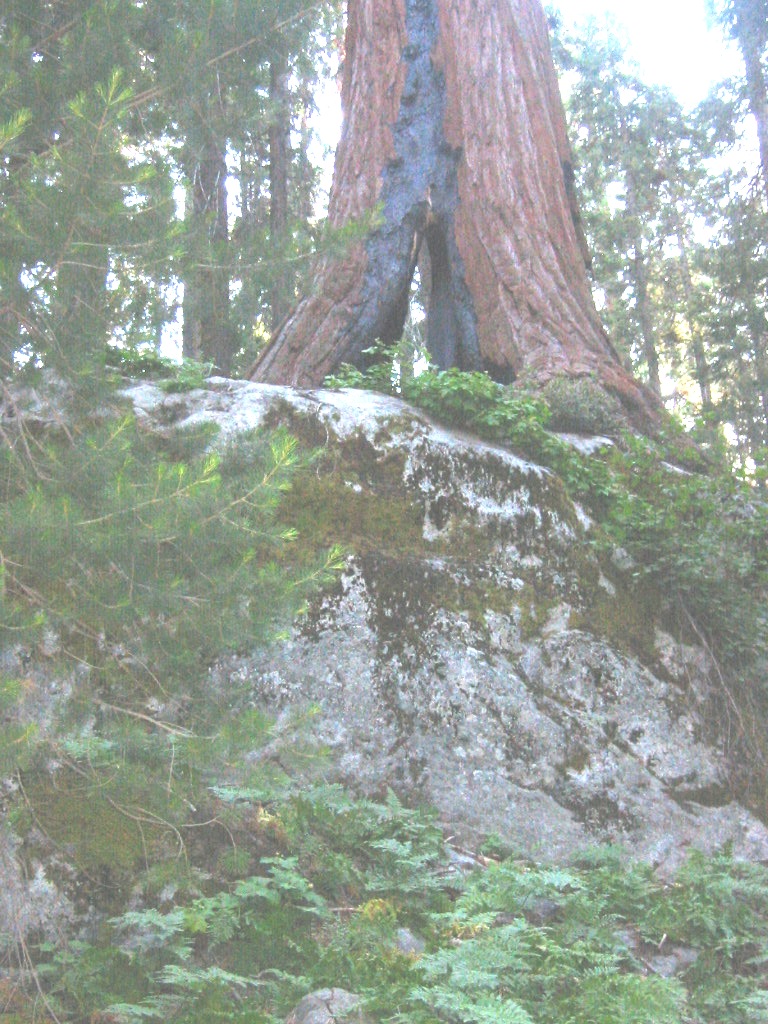
The inner core of the tree is protected by the outer layers, therefore, it is possible for a Sequoia to survive fire and other adverse conditions. Indeed, fire is necessary for the sprouting of its seedlings. Research suggests that some Sequoia trees have been growing for over 2000 years.

In the past seven weeks I have hiked among these Giants and can testify to their power and beauty. If trees could talk what stories could be told ? !! Surprisingly most of the other hikers I meet are from other countries.  Please!!  You owe it to yourself and your country to plan a trip to visit these beautiful national heroes!!


Photo Captions:  Please click back and forth for a full view.
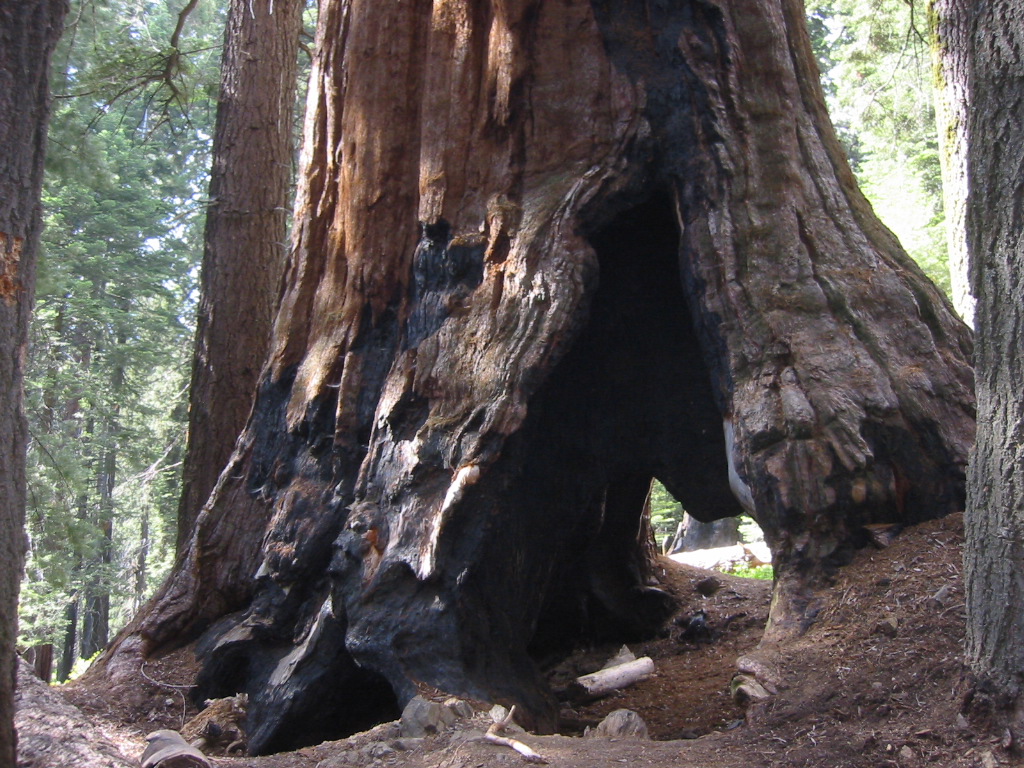
#1. At dusk, a charred Sequoia growing on a boulder
#2. Hiking through a Tree Doorway
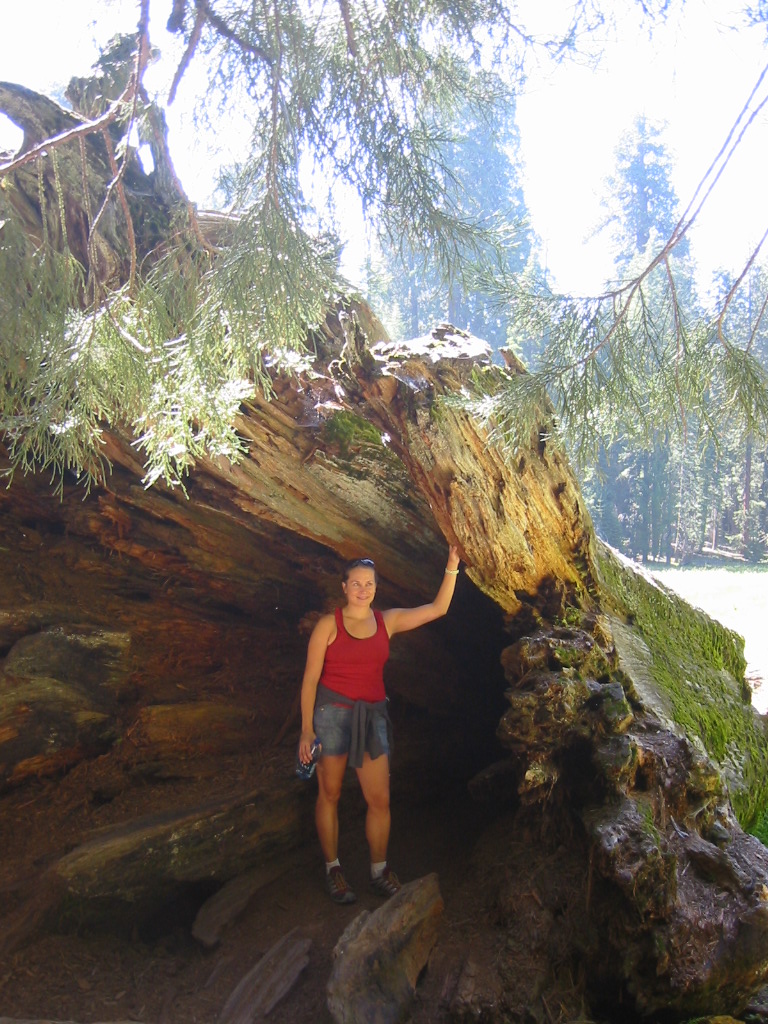
#3. Friend, Alexis, amid the Giants
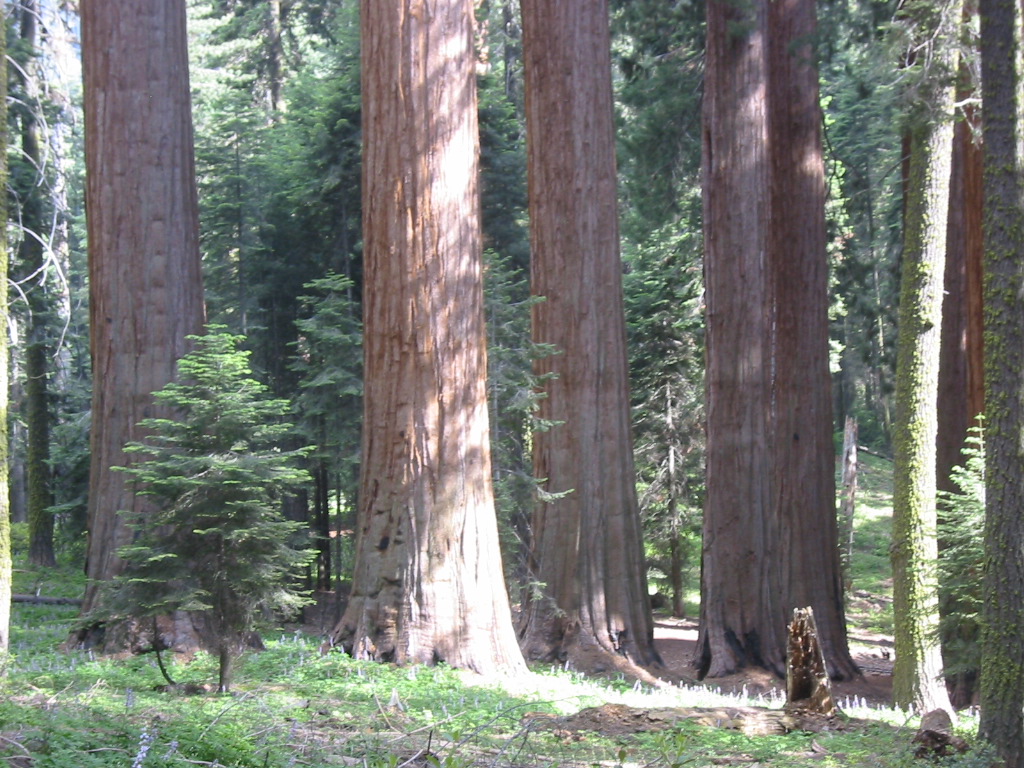
#4. Stand of adolescent trees
#5. World’s Largest Tree, General Sherman
#6. Tree and boulder become one!
#7. Heavily burned but still growing
#8. Same tree looking through the burn
#9. Alexis and roots of a fallen tree

Trees Fall in the Forest

Camp Far Horizons was founded in 1954. One of the founders, G.V. Hull, was instrumental in helping to develop King’s Canyon in ways that have made this natural wonder more assessible for visitors. Partially as a result of his work, the Theosophical Society was awarded an extended lease on National Park land with provisions to develop and improve said land. The first buildings went up in 1955 , and many of these are still in use due to the skillfulness of Mr. Hull’s construction design.

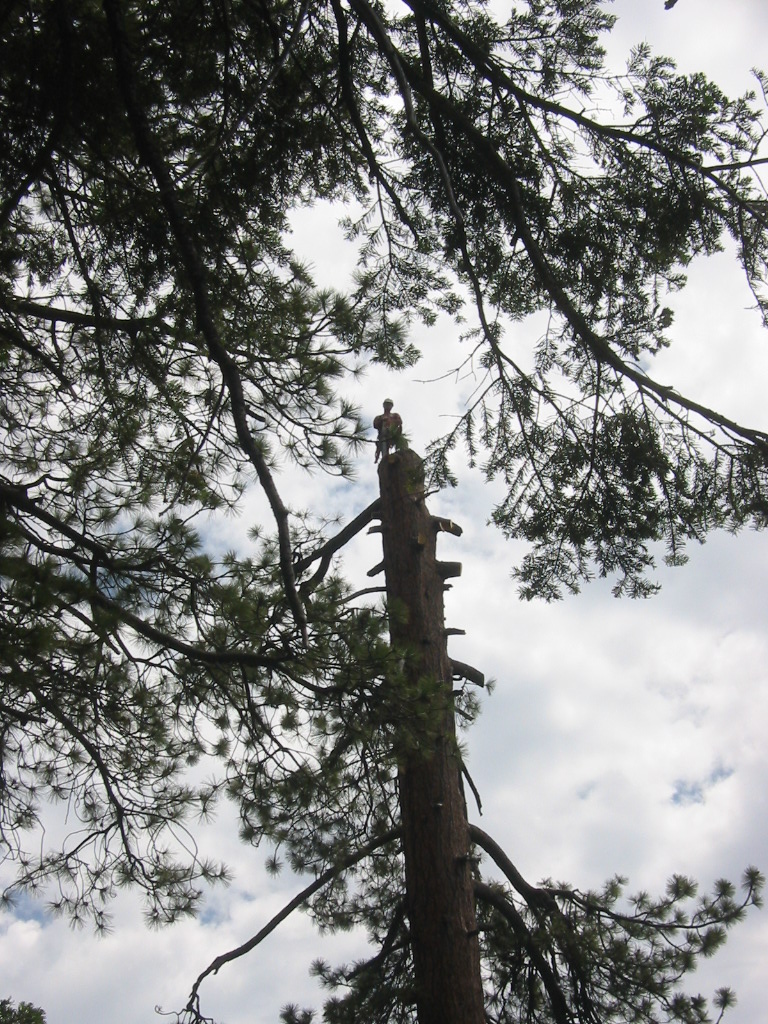
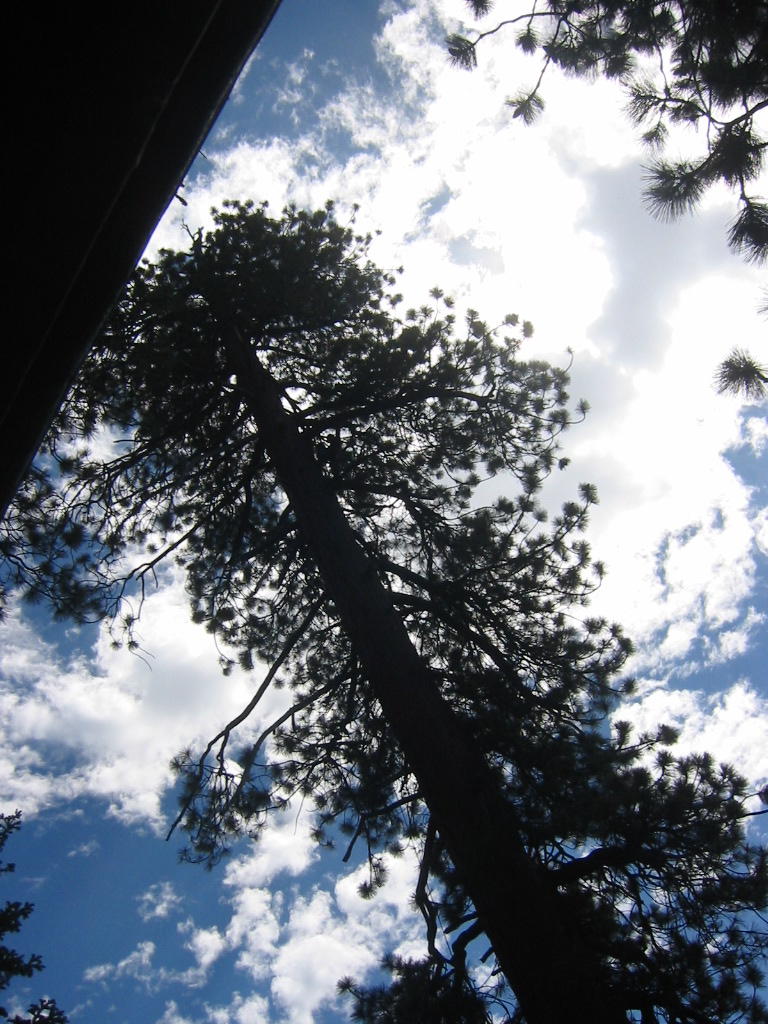
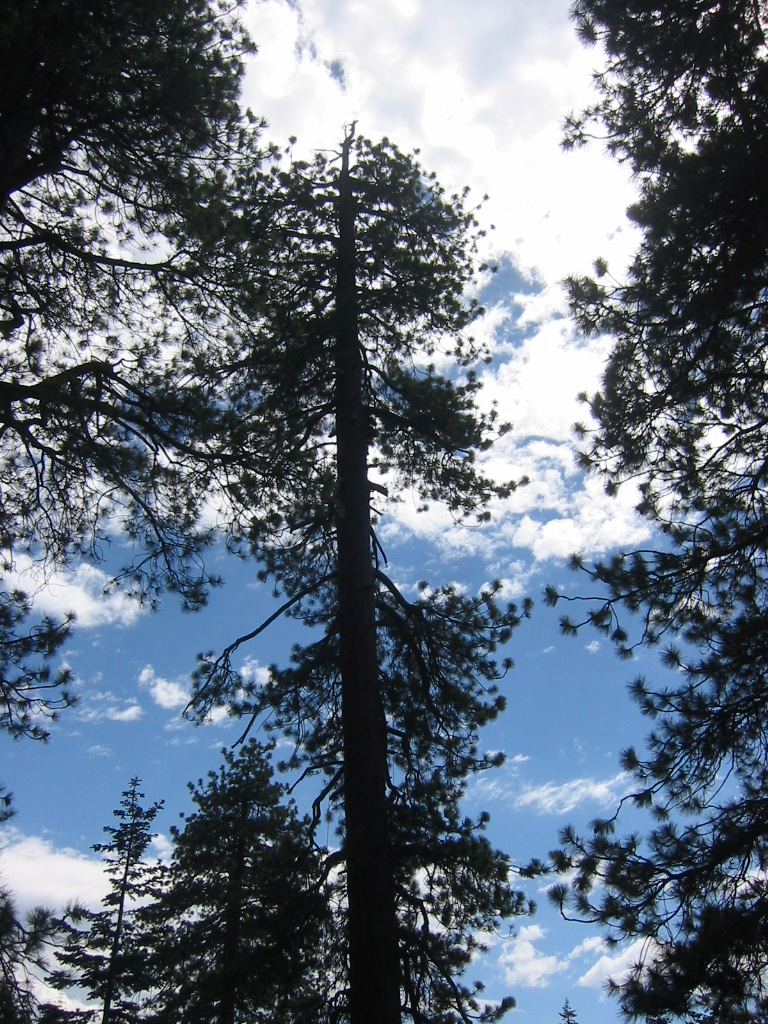
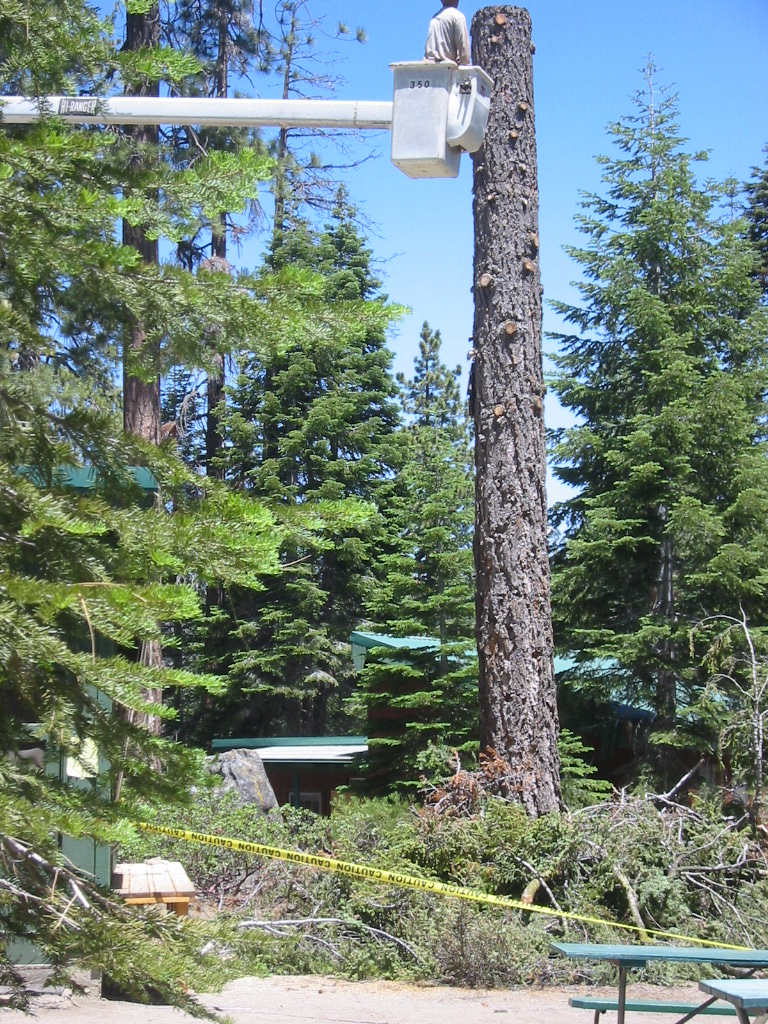
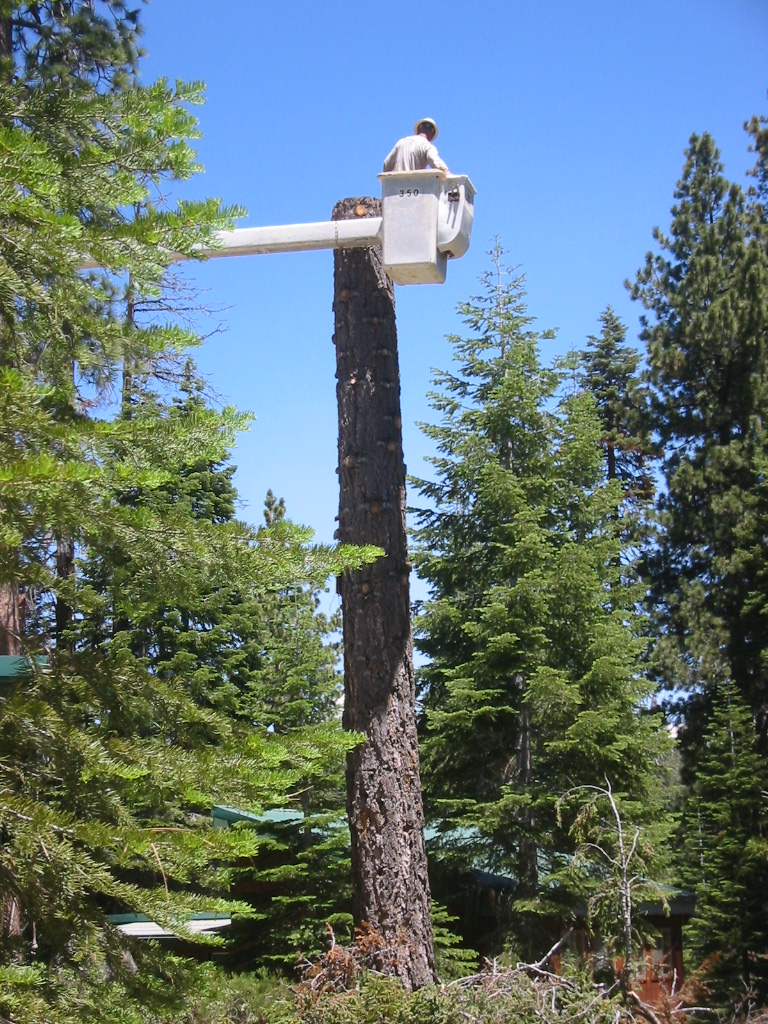
Upkeep is a continuing consideration for any facility.  Landscaping and building maintenance are key concerns at Far Horizons, which functions as a camp only 3 out of 12 months a year and is heavily snowed in during winter months. Recently at Camp there was the necessity of removal of several large trees. These trees had become diseased by natural causes and were at risk of falling into buildings. In these photos I have captured the process of removing 100 + foot trees, which is not an easy task physically or psychologically. The team of arborist, Joel Bawcum, was exact in their duties and Camp is grateful to them for their expertise.

A famous Biblical quote acknowledges “To Everything There Is a Season”. These majestic trees had many ” seasons”. Moving forward, there is the certainty that many fledgling Camp trees will mature into their times as well.

For a complete view please click back and forth on the photos.

Photo captions:
#1.  Diseased kitchen tree, approximately 100 feet tall
#2.  Limb removal, note proximity to cabins
# 3. Almost done, sawing the base
#4. Dining Room Stump with volunteer beauties!
#5. Diseased tree, minimum 150 feet tall
#6. Note proximity to Sugar Pine Cabin
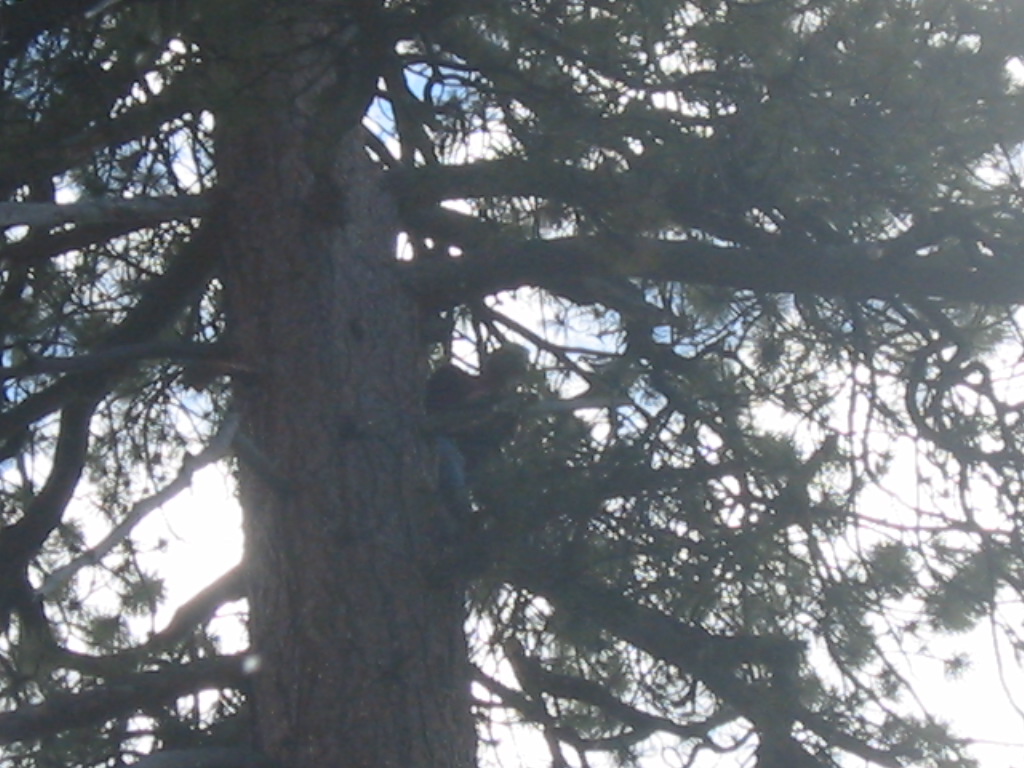
#7. Joel among the limbs
#8. On top, 100 feet up
#9. No top or limbs
#10. Debris at the base, note notch for felling
#11. Ready to fall
#12. After the fall, now a home for chipmunks